

Your cart is currently empty!.
You may check out all the available products and buy some in the shop.
Continue ShoppingA gold bar is a quantity of refined gold manufactured in a defined weight and fineness. Gold bars are produced in numerous sizes and may be minted or cast depending on the manufacturer and product.
999.9 fineness means the stated material contains 999.9 parts of gold per 1,000. It is commonly referred to as four-nines fine gold.
There is no single best weight for everyone. Smaller bars can provide greater flexibility, while larger bars consolidate more gold into fewer units. Budget, premium, storage and future resale preferences should all be considered.
A standard 1 oz investment gold bar generally refers to one troy ounce, which is approximately 31.1035 grams. A troy ounce is different from the ordinary avoirdupois ounce used for many everyday goods.
Minted bars generally have precise dimensions and a polished, uniform finish. Cast bars are produced using a casting process and often have a more traditional bullion appearance with natural surface variations.
Premiums can differ because of manufacturing costs, bar size, packaging, refiner recognition, product demand, design and collectibility. Two bars containing the same amount and fineness of gold can therefore have different retail prices.
No. Serial-number practices vary between manufacturers, weights and product ranges. Check the specifications of the individual bar rather than assuming every gold bar carries a unique serial number.
The LBMA maintains a Good Delivery List of refiners meeting its standards. A retail bar produced by a listed refiner can accurately reference that refiner's status where applicable, but a small retail bar should not automatically be described as an individual LBMA Good Delivery bar.
Gold bars should be protected against loss, theft and unnecessary physical damage. Appropriate storage depends on the amount held and individual circumstances and can range from secure private storage to professional vaulting solutions.
Both can contain investment-grade gold according to their stated specifications, but collectible bars may carry additional premiums related to design, licensing, rarity or presentation. Buyers should therefore consider both the underlying gold value and any collectible premium.
Explore our selection of gold bars from internationally recognized refiners, available across a wide range of weights, formats and designs. From compact minted bars to larger investment gold bars, Ounce Plus brings together carefully selected gold bullion from names such as PAMP Suisse, Valcambi and other established refiners.
Whether you are buying physical gold for the first time, adding to an existing holding or looking for a distinctive collectible bar, you can compare available options by brand, weight and design.
Buying a gold bar involves more than simply choosing a weight. The refiner, purity, format, premium, packaging and authenticity features can all influence which bar is best suited to your needs.
Two bars containing the same amount of fine gold may have different retail prices because of differences in manufacturing, branding, design, packaging and market demand.
At Ounce Plus, our goal is to make those differences clear. Our gold bar selection brings together investment bullion and selected collectible designs, with detailed product information to help you compare your options before purchasing.
PAMP Suisse produces a broad range of precious metal products, from classic investment bars to highly recognizable designs and limited collections.
Our PAMP selection includes traditional investment formats alongside designs such as Lady Fortuna and selected collectible editions.
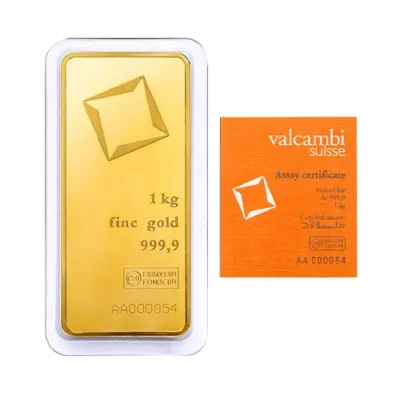
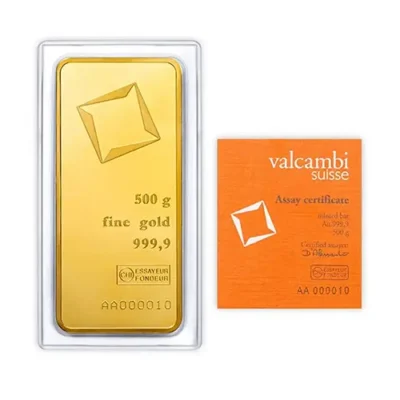
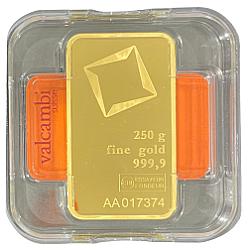
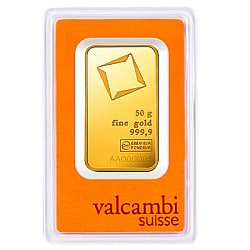
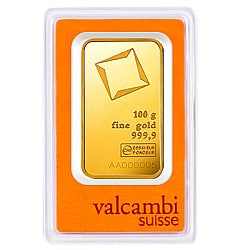
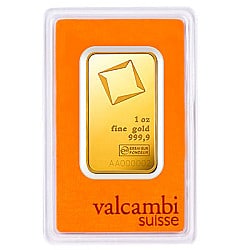
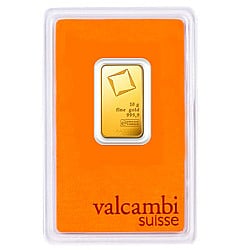
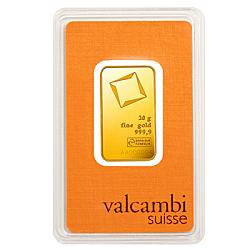
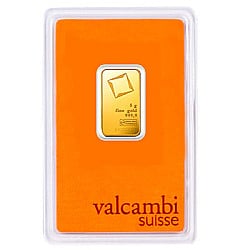
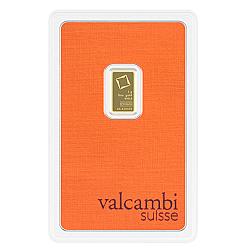
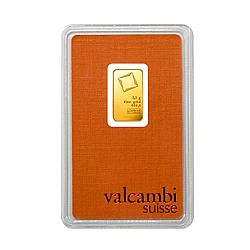
Valcambi is a Swiss precious metals refiner producing gold bars across numerous weights and formats.
Its range includes minted and cast products, providing options for buyers looking for both smaller denomination bars and larger bullion holdings.
As our collection expands, additional refiners and gold bar brands will be added to Ounce Plus.
Gold bars are available in a wide range of sizes, allowing buyers to choose according to budget, flexibility, storage preferences and intended use.
Smaller bars can provide greater flexibility when purchasing or selling gold in smaller quantities, while larger bars consolidate more gold into fewer individual pieces.
Popular gold bar weights include 1g, 2.5g, 5g, 10g, 20g, 1 oz, 50g, 100g, 250g, 500g and 1kg.
| Gold Bar Weight | Common Consideration | Typical Format |
|---|---|---|
| 1g | Accessible small denomination and gifting | Minted |
| 2.5g–5g | Small bullion purchases and flexibility | Minted |
| 10g | Balance between size and flexibility | Minted |
| 20g | Mid-size bullion holding | Minted / Cast |
| 1 oz | Internationally familiar bullion weight | Minted / Cast |
| 50g | Larger physical gold holding | Minted / Cast |
| 100g | Higher-value bullion purchase | Minted / Cast |
| 250g–500g | Substantial bullion holding | Primarily Cast |
| 1kg | Large physical gold holding | Primarily Cast |
The right size depends on your individual objectives rather than there being one universally “best” gold bar weight.
Minted bars are manufactured to precise dimensions and typically have a more refined, uniform finish. Many are supplied in protective packaging or assay cards and may feature detailed branding or decorative designs.
They are particularly common among smaller and medium-sized gold bars.
Cast bars are produced by pouring molten gold into a mould before finishing and marking the bar.
Their surfaces tend to have a more traditional bullion appearance, and small variations between individual bars can occur as part of the casting process. Cast bars are particularly common at larger weights.
Neither format changes the fundamental importance of the bar's weight and stated fineness. The choice often comes down to preference, availability and premium.
Purity is one of the most important specifications to check when buying a gold bar.
Many investment gold bars are marked 999.9 Fine Gold. This represents a fineness of 999.9 parts of gold per 1,000, commonly referred to as “four nines” fine gold.
You may also see investment bars described as 24-karat gold, although fineness provides a more precise way of expressing the gold content.
Product pages should always be checked for the exact weight, fineness and specifications of the individual bar being purchased.
The London Bullion Market Association (LBMA) maintains the Good Delivery List for refiners whose production and operating standards satisfy its requirements.
There is an important distinction, however. A small retail gold bar manufactured by a refiner on the LBMA Good Delivery List should not automatically be described as an individual “LBMA Good Delivery bar.”
The LBMA's Good Delivery specification for standard gold bars used in the London wholesale market relates to bars of approximately 400 troy ounces.
For eligible retail products, a more accurate description is that they are produced by an LBMA Good Delivery accredited refiner.
This distinction matters because accurate product information is an important part of buying precious metals with confidence.
There is no single gold bar that is right for every buyer. Before choosing one, consider the following factors.
Smaller denominations can offer more flexibility because a holding can be divided across multiple individual bars. Larger bars concentrate more gold into a smaller number of units and can have a different premium structure.
Your preferred balance between flexibility, purchase value and storage can help determine the appropriate size.
Look at who manufactured the bar and the information supplied with the product. Established refiners often produce recognizable product ranges with clearly stated specifications and identifiable branding.
Do not judge a gold bar by appearance alone. Check the stated weight and fineness on the individual product specification.
The retail price of a physical gold bar is generally not identical to the underlying spot value of its gold content.
Different products can trade at different premiums depending on factors such as manufacturing, weight, brand, packaging, distribution and market demand.
Depending on the product, a bar may be supplied in assay packaging or another form of protective presentation.
Some products may also carry individual serial numbers or additional security features. These features vary between refiners and products, so always refer to the specifications of the particular bar rather than assuming that every gold bar is packaged or numbered in the same way.
Physical gold needs to be stored appropriately. Before purchasing larger amounts of bullion, consider how the bars will be protected and where they will be securely stored.
Recognition of the refiner, condition, packaging, weight and local market demand can all be relevant when a physical gold bar is eventually offered for resale.
The gold spot price represents the market price of gold itself. It is not necessarily the final retail price of a physical gold product.
A simple way to understand the difference is:
Gold Value + Product Premium = Retail Gold Bar Price
The premium can reflect several factors, including refining and manufacturing, bar size, packaging, distribution, refiner or product demand, collectible design and prevailing market conditions.
This is also why two 10g gold bars with the same stated fineness can have different retail prices.
Smaller bars can also have a higher premium per gram because some manufacturing and distribution costs are spread across a smaller amount of gold.
Traditional bullion products tend to place the greatest emphasis on weight, fineness, refiner, premium and liquidity.
For buyers primarily interested in physical gold exposure, these factors are usually more relevant than decorative presentation.
Other gold bars combine precious metal content with distinctive artwork, branded collaborations, limited designs or presentation packaging.
Examples can include special editions, cultural themes and recognizable collections produced by established refiners.
These bars still contain physical gold according to their stated specifications, but part of their retail premium may reflect their design, collectibility, licensing, rarity or presentation rather than gold content alone.
For that reason, a collectible gold bar should not be compared with a standard investment bar solely on price per gram.
Authenticity should be considered before purchasing any physical precious metal.
Depending on the product and manufacturer, useful points to examine can include:
Packaging alone should not be treated as proof of authenticity. Verification should consider the product and its documented specifications as a whole.
Ounce Plus was created around a simple principle: trust should come before the transaction.
We focus on carefully selected precious metals and clear product information so that customers can understand what they are purchasing rather than simply seeing a weight and a price.
A focus on genuine precious metal products and clear specifications.
A growing selection from established international gold refiners.
From classic investment bullion to selected collectible designs.
Clear information about weight, purity, brand and product characteristics.
Real support when you need help understanding or choosing between products.
Our selection will continue to grow as we add new refiners, weights and precious metal products to Ounce Plus.
A gold bar is a quantity of refined gold manufactured in a defined weight and fineness. Gold bars are produced in numerous sizes and may be minted or cast depending on the manufacturer and product.
999.9 fineness means the stated material contains 999.9 parts of gold per 1,000. It is commonly referred to as four-nines fine gold.
There is no single best weight for everyone. Smaller bars can provide greater flexibility, while larger bars consolidate more gold into fewer units. Budget, premium, storage and future resale preferences should all be considered.
A standard 1 oz investment gold bar generally refers to one troy ounce, which is approximately 31.1035 grams. A troy ounce is different from the ordinary avoirdupois ounce used for many everyday goods.
Minted bars generally have precise dimensions and a polished, uniform finish. Cast bars are produced using a casting process and often have a more traditional bullion appearance with natural surface variations.
Premiums can differ because of manufacturing costs, bar size, packaging, refiner recognition, product demand, design and collectibility. Two bars containing the same amount and fineness of gold can therefore have different retail prices.
No. Serial-number practices vary between manufacturers, weights and product ranges. Check the specifications of the individual bar rather than assuming every gold bar carries a unique serial number.
The LBMA maintains a Good Delivery List of refiners meeting its standards. A retail bar produced by a listed refiner can accurately reference that refiner's status where applicable, but a small retail bar should not automatically be described as an individual LBMA Good Delivery bar.
Gold bars should be protected against loss, theft and unnecessary physical damage. Appropriate storage depends on the amount held and individual circumstances and can range from secure private storage to professional vaulting solutions.
Both can contain investment-grade gold according to their stated specifications, but collectible bars may carry additional premiums related to design, licensing, rarity or presentation. Buyers should therefore consider both the underlying gold value and any collectible premium.